Published February 27, 2019
Staging your home to sell

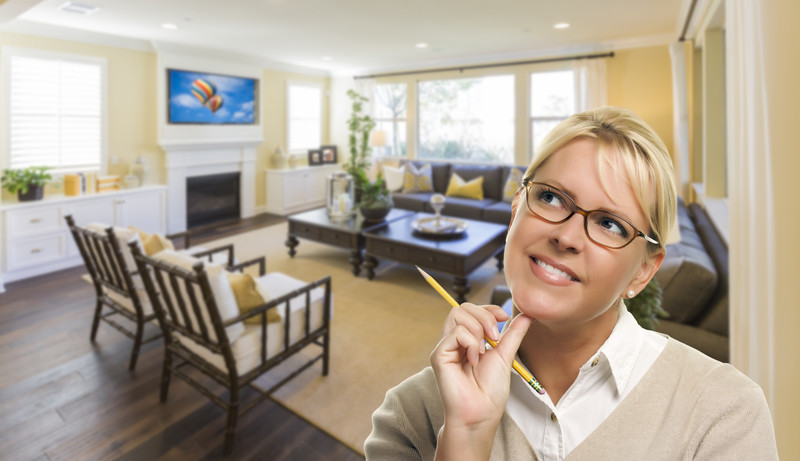
When you decide to list your home for sale, you may do so
with the hope that it will sell quickly and very close to or for more than the
asking price. At the most basic level, your home is only worth how much someone
is willing to pay for it. This means that you must make the home as appealing
as possible. Staging your home is not a required step in the selling process,
but it can help to improve the home’s appeal to a potential buyer in numerous
ways. You may think that staging would cost a fortune, but a closer look at the
typical staging efforts may reveal that time and effort are the primary
components associated with staging most homes.
Remove the Clutter
Staging is most closely associated with decorating, but the
premise of staging is actually to highlight all of the home’s attributes and
selling points while detracting from its negative aspects. Buyers have a
difficult time looking past clutter and mess, and this means that they cannot
imagine the possibilities for space when their attention is focused on your
items. Go through each room in the home to remove all unnecessary items. This
may involve tossing some items away and donating others to charity. Perhaps you
simply need to put some items back in a drawer or cabinet where they belong.
This initial step can take a lot of time, but it is critical if you want to
enjoy the best results from the next steps.
De-Personalize the Home
Buyers typically need to be able to envision themselves
living in a home in order to feel a strong connection to it. When a home has
personal photos on the wall, kids’ sports trophies on a shelf and religious
icons throughout the space, it can be difficult for a buyer to look past your
items. They will feel as though they are walking through a stranger’s home
rather than thinking about living in the home. This is not conducive to a rapid
sale. Remove all signs of personalization, and make the home look as
non-specific as possible. A smart idea is to think about how beautiful a hotel
room looks when you first walk in. This is essentially the goal that you are
trying to achieve.
Deep Clean Every Inch
Stains and odors can make a home undesirable, but this is
only the surface of the things that buyers may notice while walking through
your home. They are inspecting the home with the intention of buying it, and
this means that they are scrutinizing every detail rather than looking at it
from a broad lens. They will notice dirt and dust on baseboards, air vents,
ceiling fans and more. They will notice grime in the bathroom and cobwebs in
the corner. When a home is clean on a superficial level and dirty with a closer
look, buyers may understandably think that you have not taken good care of the
home. They may wonder what other maintenance issues have been skimmed over, and
this is not a thought that will help you to sell your home quickly.
Accentuate the Positive
All homes have positive and negative attributes. Staging a
home involves identifying the key selling points of your home and drawing the
buyer’s eye to these areas. It also involves drawing attention away from
negative aspects. Your real estate agent can give you advice about key points
to accentuate. For example, if you have a great view, you may want to remove
thick drapes that block most of the view. Replacing drapes with sheers that are
pulled as open as possible may be a smart idea.
Improve Curb Appeal
Many sellers focus intently on staging the interior of the
home, but the exterior needs attention as well. The typical process that a
seller takes is to look at a listing online, and the front of the house is
typically the first image that comes on the screen. This means that your home’s
curb appeal will make a buyer instantly interested in the home or instantly
turned off by it. Likewise, when a buyer arrives at your home, the curb appeal
can make or break the buyer’s interest in the home. You want the front of the
house to create a first good impression. Do your best to spruce up curb appeal
through cleaning, trimming, mulching and other affordable efforts.
Focus on the Entryway
Just as the curb appeal needs to be impressive, the entryway
should also make a big splash. The entryway is like the front cover of a book.
It makes a statement about the home’s style and condition, and you
understandably want that state to be instantly positive. Consider replacing the
hardware on the front door or even repainting or re-staining the door as
necessary. Ensure that the porch light is clean and functional. Remove all
signs of pests and critters by power washing the porch. Inside the house, make
sure that the first thing noticeable upon entering is positive and even
impressive.
Create Space
When staging a home, you want to accentuate the square
footage without making the rooms look empty. This means that you need to focus
on the scale. For example, a large wall should ideally have a large picture or
framed mirror on it, or it should have a cluster of smaller, corresponding
items. A small wall should not have a large picture of it. The furniture needs
to be scaled in this same way. Avoid blocking doorways and entryways with
furniture. If necessary, move some pieces into different rooms or into an
off-site storage unit.
Maximize Light
Many home tours will take place in the daytime, and buyers
do not want to walk into a dark, dreary house. Some real estate agents
recommend that their clients remove all screens from windows and get the
windows professionally cleaned inside and out before listing the home if funds
allow. Another idea is to remove heavy drapes and decorate with sheers. Leave
blinds open or pulled all the way up during a showing. On a cloudy or rainy
day, leave the lights on in every room when a showing is scheduled.
When a listed home stays on the market for too long, buyers
may think that something is wrong with it. They may avoid even looking at it,
or they may be inclined to make a very low offer. It is in your interest to
attract attention from interested parties quickly, and staging a home can help
you to accomplish this goal.